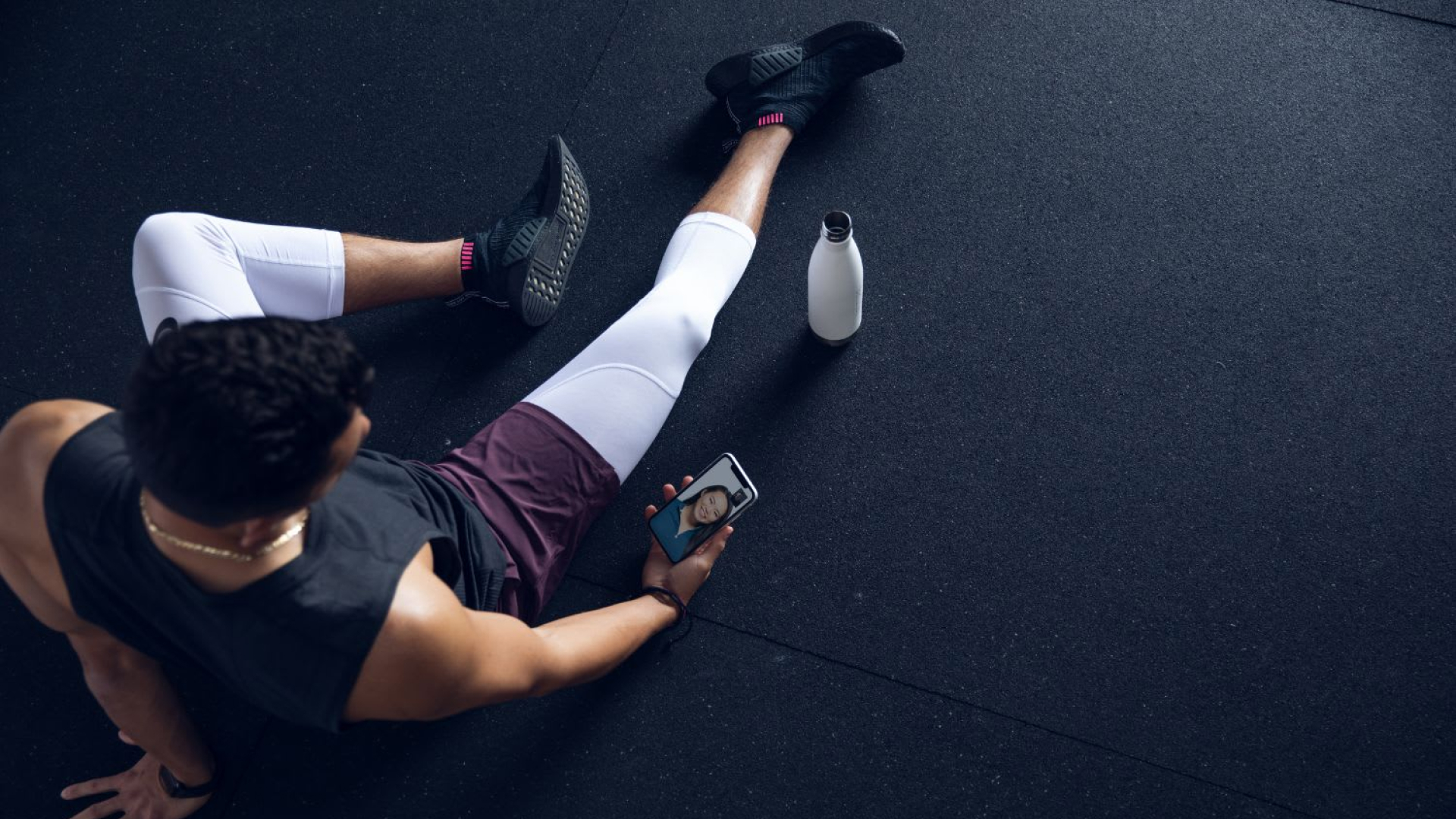
Regardless of your 2026 fitness goals, the best routine is the one you can stick to consistently — and there are fewer excuses standing in your way when your home is your gym.
Bad weather is never a factor. You can go from zero to sweating in seconds. And this 24/7, judgment-free workout space is always open whenever the mood strikes. There’s no more flexible, comfortable, or efficient space for fitness than a well-prepared home gym that’s designed around exactly what you need.
Even if your living room isn’t as well-equipped as a proper gym, it’s still entirely possible to get a complete workout. With some research or the expert guidance of a personal trainer, you can build a well-rounded program that incorporates a proper mix of balance, cardio, strength, and flexibility movements with minimal additional equipment.
With home workouts, variety is the spice of life. Break the monotony by switching up the intensity, type, and duration of your workouts whenever anything feels too easy or familiar. Diversify your program with strength, flexibility, and cardio components for a well-rounded way to keep things fresh. It can also be fun and effective to switch where you work out. So whether that means backyard strength sessions or cardio around your neighborhood, don’t be afraid to think outside the four walls of your home.
If exercising constantly feels like a chore, a home gym won’t be enough to keep you motivated, so you’ll need to find ways to make working out exciting. Beyond rotating in new exercises that keep you on your toes, there are plenty of other ways to liven things up. We love teaming up with friends for partner circuits, creating new playlists, or treating ourselves to a face mask post-workout.
It’s entirely possible to develop a home fitness routine that won’t require much new equipment before you start your first set. Eventually, you may find yourself looking for new weights, bands, or other tools to level up your routine.
Before you spend money on equipment you don’t really need, consult with an expert or your personal trainer. It’s not always about getting the most equipment or the best equipment; it’s about getting equipment that fits both your workout space and your goals, so that you can learn how to use it properly.
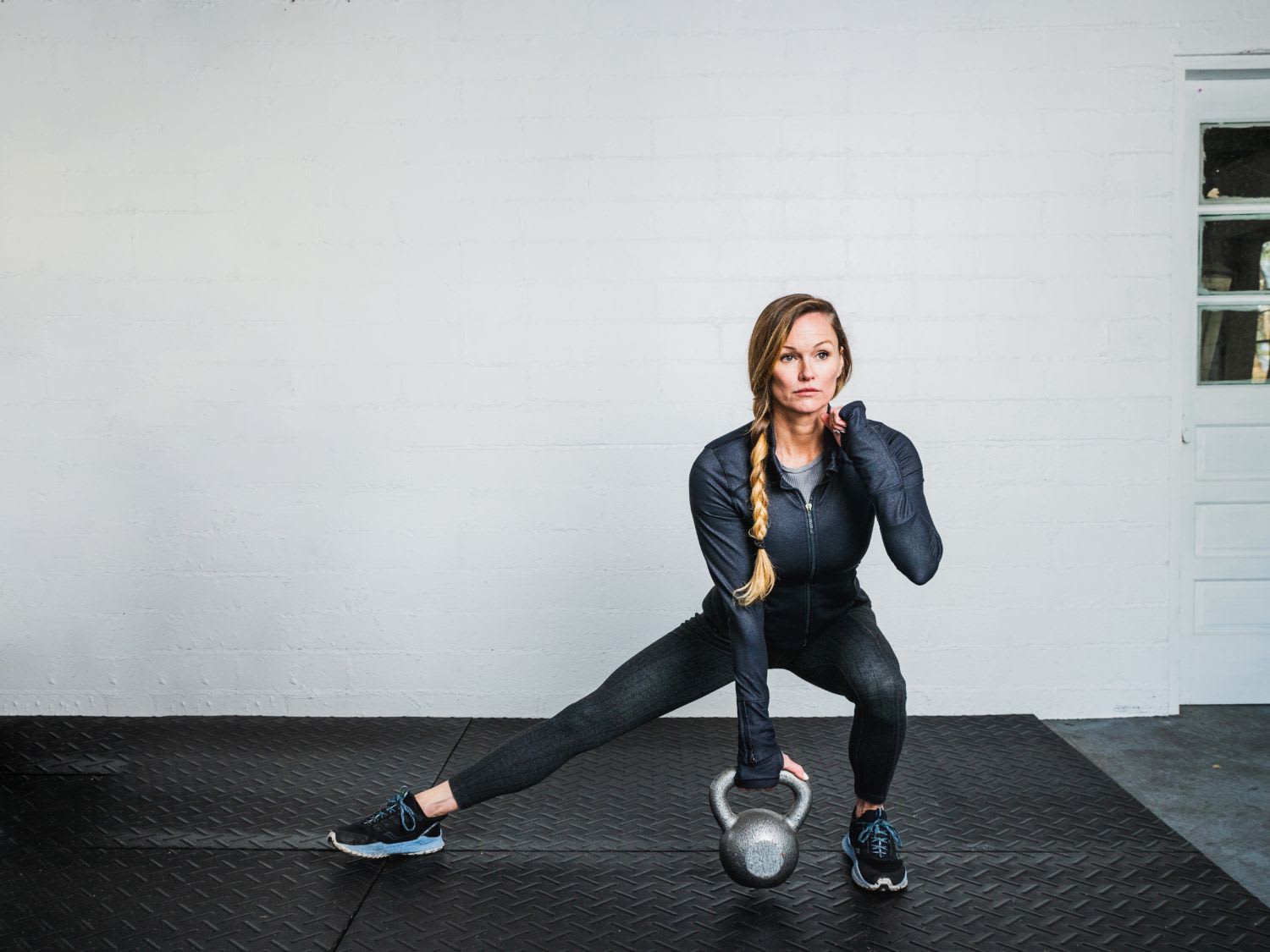
The more time and space you can carve out for yourself, the easier it is to stay focused and consistent with your fitness routine. While you might not be able to go completely off the grid during a workout, it’s important to eliminate as many outside distractions as you can. Pick a time of day when there’s less demand for your attention. If you can, choose a space at home where people won’t be passing through. Silence notifications. Put on some music, then put your phone away and on airplane mode.
Working out at home can certainly be a more time-efficient way to get fit, but taking shortcuts can stall your progress. Make the effort to perform exercises properly, and acknowledge if something doesn’t feel right. Don’t try to use too much weight too soon. And if you skip your warmup or cooldown just to save a few minutes, you could end up losing more time to injuries in the long run.
No goal worth pursuing happens instantly. And setbacks are an inevitable part of any fitness journey. If you aren’t seeing immediate progress, it’s not a sign that you shouldn’t be working out at home. Whether it’s a matter of adapting your approach or sticking with it when the going gets tough, cultivating patience, flexibility, and resilience can help your mind help your body — no matter where you work out.